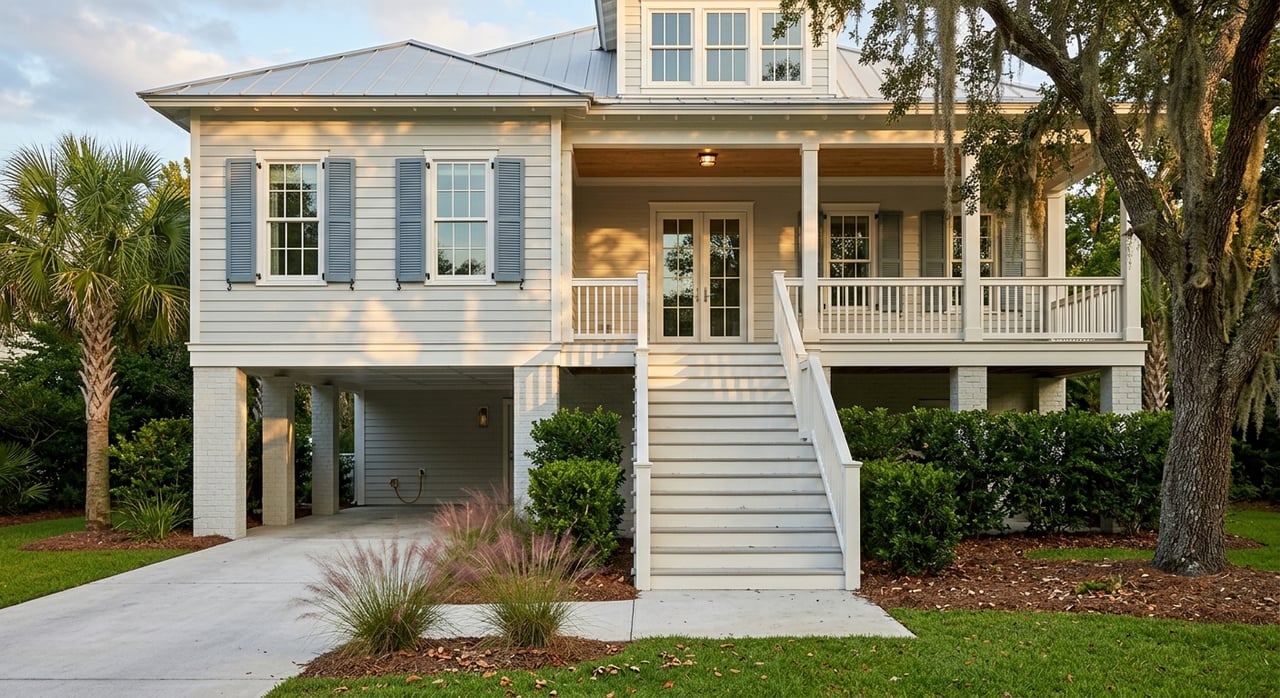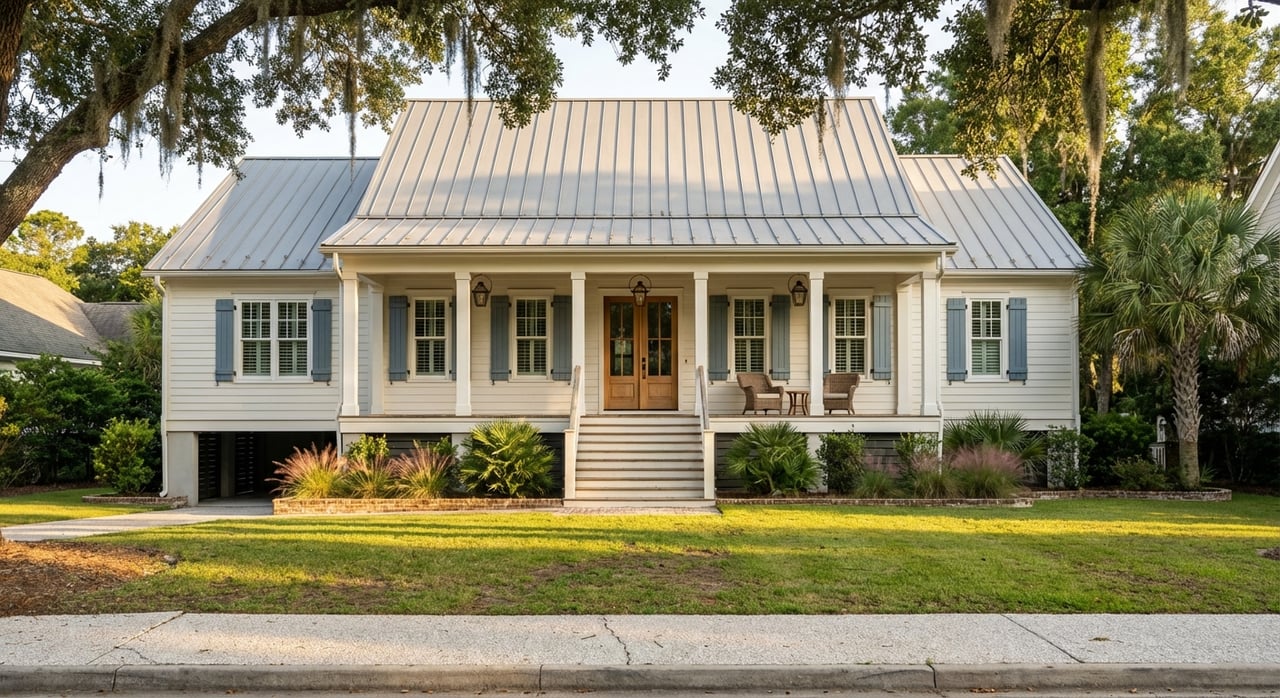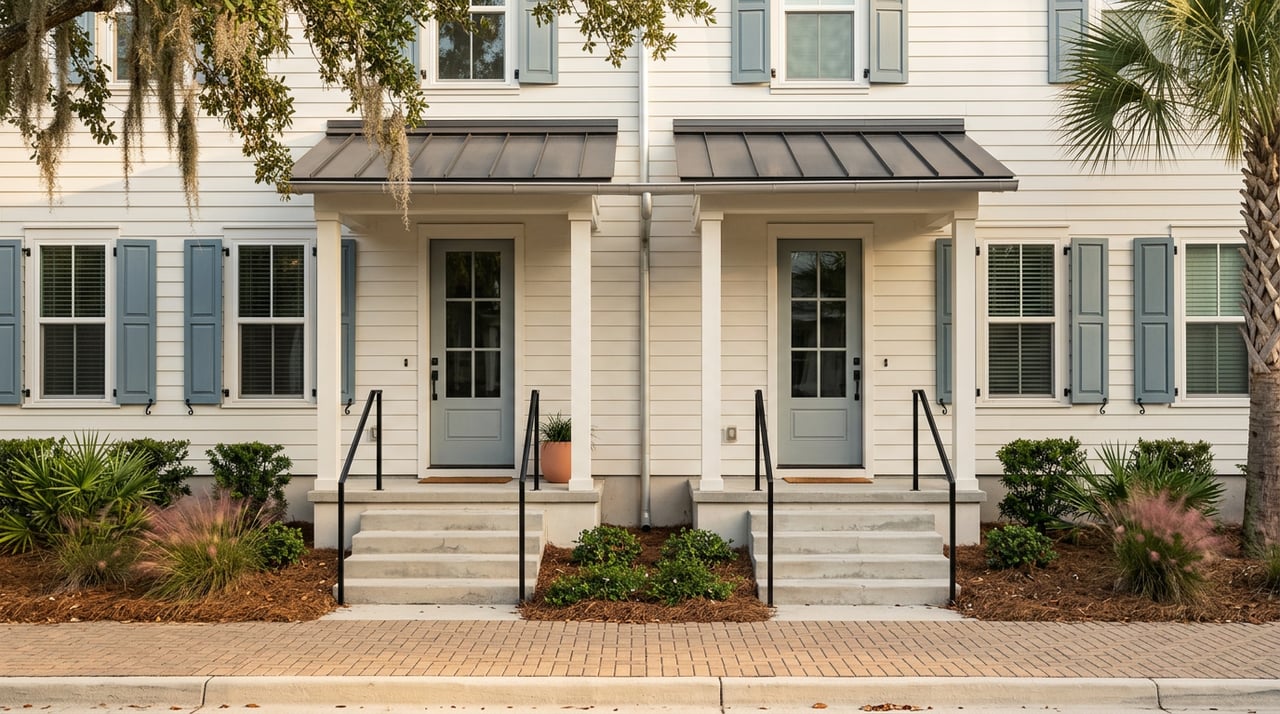
Eyeing a North Charleston condo or townhome to keep your payment in check without giving up convenience? You are not alone. Many first-time and value-minded buyers look to attached homes for a smart path into the Charleston market. In this guide, you will learn how pricing trends look right now, what ownership and HOA rules really mean, how financing works, and what to watch for before you write an offer. Let’s dive in.
North Charleston price reality today
Recent consumer reports place North Charleston’s overall median home price in the low to mid $300s, which sets the baseline for comparing attached options. According to recent active-listing snapshots, condo inventory in the city is smaller and often lists below many single-family homes, with examples ranging from the low to mid $100s up through the $300s depending on size and location. Townhomes tend to bridge the price and space gap, with many listings in the high $200s to low $300s, depending on community and finish level. Always verify current numbers on the day you shop since active listings and medians move quickly.
- For city-level price context, review recent data on the North Charleston housing market from Redfin. Current Redfin market view
- To see current condo pricing and HOA examples, check the live condos feed. North Charleston condos on Redfin
HOA dues vary widely by building and amenities. You will commonly see monthly condo dues around $150 to $400 or more in North Charleston, while townhome regimes can be lower but often overlap those ranges depending on what exterior work and amenities are included. When comparing options, focus on the all-in monthly cost that includes mortgage, taxes, insurance, and HOA dues.
Condo vs. townhome basics in South Carolina
How ownership differs
In South Carolina, a condominium is a legal form of ownership created under the state’s Horizontal Property Act. A master deed sets out the units, the common elements, and the rules for who pays for what. Your ownership is typically the interior of your unit, paired with a shared interest in the common areas managed by the association. You can review the statutory framework in the South Carolina Horizontal Property Act to understand how master deeds and bylaws work. South Carolina Horizontal Property Act
Townhomes can be owned in two common ways. Some are fee simple, which means you own the land and structure similar to a detached home. Others are recorded as a condominium, which means you own only the unit and a share of the common elements. Do not rely on appearances. Ask your agent to confirm the legal form of ownership in the deed and CC&Rs because it affects financing, insurance, and maintenance obligations. Condo vs. townhouse ownership overview
Maintenance tradeoffs to weigh
- Condos: The association usually maintains the roof, exterior, common systems, and grounds. You handle your interior. This can reduce weekend chores but shifts costs into monthly dues and, in some cases, special assessments.
- Townhomes: Responsibilities vary by community. Fee-simple setups often make you responsible for exterior care and the roof. Communities recorded as condo-style may include exterior maintenance in the dues. Always confirm the split in writing.
Amenities and lifestyle
Condos often offer more shared amenities, such as a pool or fitness room, which can mean higher dues. Townhomes often trade some shared amenities for more private space, a small yard, or a garage at a similar or slightly higher price point than condos. Compare the amenity value to your actual lifestyle so you are not paying for features you will not use.
HOA health and documents to review
Ask for these early
Request these documents during due diligence so you understand the community’s rules and finances before you are locked in:
- CC&Rs, master deed, and bylaws
- Current-year budget and the most recent financial statement
- A recent reserve study or update that shows long-term repair funding needs and contributions Why reserve studies matter
- Meeting minutes from the past 12 to 24 months
- A resale disclosure or certificate that lists current dues, any special assessments, delinquencies, and pending projects
- The association’s master insurance summary, including coverage type and deductibles
Red flags to watch
- Little or no reserves and repeated or large special assessments
- High delinquency on dues that can strain cash flow
- Heavy investor or developer concentration that can affect governance
- Pending or recurring litigation involving building safety or the association
Well-funded reserves lower the odds of surprise assessments. If numbers seem thin, ask how the board plans to address big-ticket items like roofs, paving, or elevators.
Financing and insurance must-knows
Project eligibility matters
Financing a condo involves the unit and the project itself. FHA maintains a public process for condo project approvals, and conventional lenders often follow Fannie Mae and Freddie Mac rules that look closely at reserves, owner-occupancy, investor concentration, and delinquencies. Check project status with your lender at the start so you do not fall in love with a unit your loan cannot approve. FHA condo approval info | GSE project eligibility overview
How HOA dues affect your budget
Lenders include HOA dues in your monthly housing costs when calculating debt-to-income ratios. Higher dues can reduce your maximum purchase price even if the list price looks attractive. Ask your lender to model your approval with the HOA dues added so you have a realistic ceiling before you tour. How lenders count HOA dues in DTI
Insurance: master policy and your HO-6
Your association’s master policy typically covers common elements and the building shell, while you carry a condo unitowners policy, often called an HO-6. HO-6 coverage can include interiors, personal property, liability, and a loss-assessment rider that helps with your share of a master policy deductible or assessment. Ask for the master policy declarations early, then have your insurer tailor HO-6 coverage to fill the gaps. Condo HO-6 insurance basics
Flood and coastal considerations
Much of Charleston County has FEMA-designated flood hazard areas. If a condo or townhome sits in a Special Flood Hazard Area, your lender will require flood insurance, which affects your monthly cost. Ask for the flood zone by address, and consider ordering an elevation certificate if one is not available. Review a local explainer on flood insurance requirements and budgeting so this does not surprise you late in the process. Charleston flood insurance overview
Smart steps before you write an offer
Use this quick checklist to stay ahead of the details:
- Confirm the legal ownership type for any townhome you tour, fee simple or condo regime
- Verify what the HOA fee covers, and get it in writing
- Review the current budget, most recent financials, and reserve study
- Ask about planned projects within 1 to 3 years and how they will be funded
- Have your lender check FHA or conventional project eligibility at the start
- Model your preapproval with HOA dues included in the DTI
- Get the master policy declarations and a quote for HO-6 coverage with loss-assessment
- Confirm the flood zone and whether flood insurance is required
Why North Charleston can be a great fit
If you want close-to-everything convenience and a lower-maintenance lifestyle, North Charleston condos and townhomes can offer strong value compared to many single-family homes. You can often trade yard work for modern interiors, practical amenities, and easy access to daily needs. With the right prep, you can buy confidently and avoid surprises.
If you would like a clear game plan tailored to your budget and lifestyle, connect with the Calore + Lacke team. We will help you compare buildings, decode HOA documents, and line up lending and insurance so your monthly number stays predictable. Ready to start? Reach out to Sarah Ellen Lacke for a friendly, no-pressure consult.
FAQs
What do condos and townhomes cost in North Charleston right now?
- Recent snapshots place North Charleston’s overall median in the low to mid $300s, with many condos listing from the low to mid $100s into the $300s and townhomes often in the high $200s to low $300s, subject to change.
How do condo and townhome HOAs in North Charleston typically work?
- Condos usually cover exterior and common areas through dues, while townhome responsibilities vary by community, so confirm inclusions and ownership type in the CC&Rs and master deed.
How do HOA dues affect my loan approval and budget?
- Lenders add monthly dues to your housing payment when calculating debt-to-income, which can lower your maximum purchase price, so have your lender model scenarios with dues included.
What documents should I review before buying a condo or townhome?
- Ask for CC&Rs, the master deed, budget, financials, a recent reserve study, meeting minutes, a resale certificate, and the master insurance declarations page.
What insurance do I need for a condo in Charleston County?
- Your HOA carries a master policy for the building and common elements; you buy an HO-6 policy for your interiors, personal property, liability, and often a loss-assessment rider.
Will I need flood insurance for a North Charleston condo or townhome?
- If the property sits in a FEMA Special Flood Hazard Area, your lender will require flood insurance, so confirm the flood zone for the address and budget for premiums.
Can I use FHA or VA financing to buy a condo here?
- Possibly, but many programs require the condo project to meet eligibility rules, so ask your lender to check FHA approval status and conventional project requirements early.