What if your next home made your weekdays easier and your weekends richer? In Summerville, the community you choose will shape your commute, your errand loop, and how you spend free time. If you are weighing historic charm, a master-planned lifestyle, or low-maintenance living, you want a clear picture of what daily life actually looks like. This guide breaks down options in Summerville so you can match your home base to your routine. Let’s dive in.
Daily life in Summerville at a glance
Summerville sits about 24 miles northwest of downtown Charleston by road, which means commute times can vary with traffic on key corridors like I-26 and US-78. You will notice the difference most on weekday mornings and late afternoons. If you work downtown or on the Peninsula, plan for a wider time range and test your route during peak hours. You will trade longer drives for more space and value compared with closer-in Charleston neighborhoods.
If you prefer a small-town feel, you will find it here. Summerville’s center hosts seasonal festivals, a weekly farmers market, and leafy parks, which add a steady rhythm to local life. These elements can make errands and everyday outings feel simpler when you live near the core.
For distance and route context, check the drive between Summerville and Charleston and note that I-26 and US-78 are the primary links to the metro area.
- Reference: See the route distance between Summerville and Charleston on the distance calculator.
- Reference: Learn more about Summerville’s location and road network on Wikipedia.
Three community types to consider
Historic and established neighborhoods
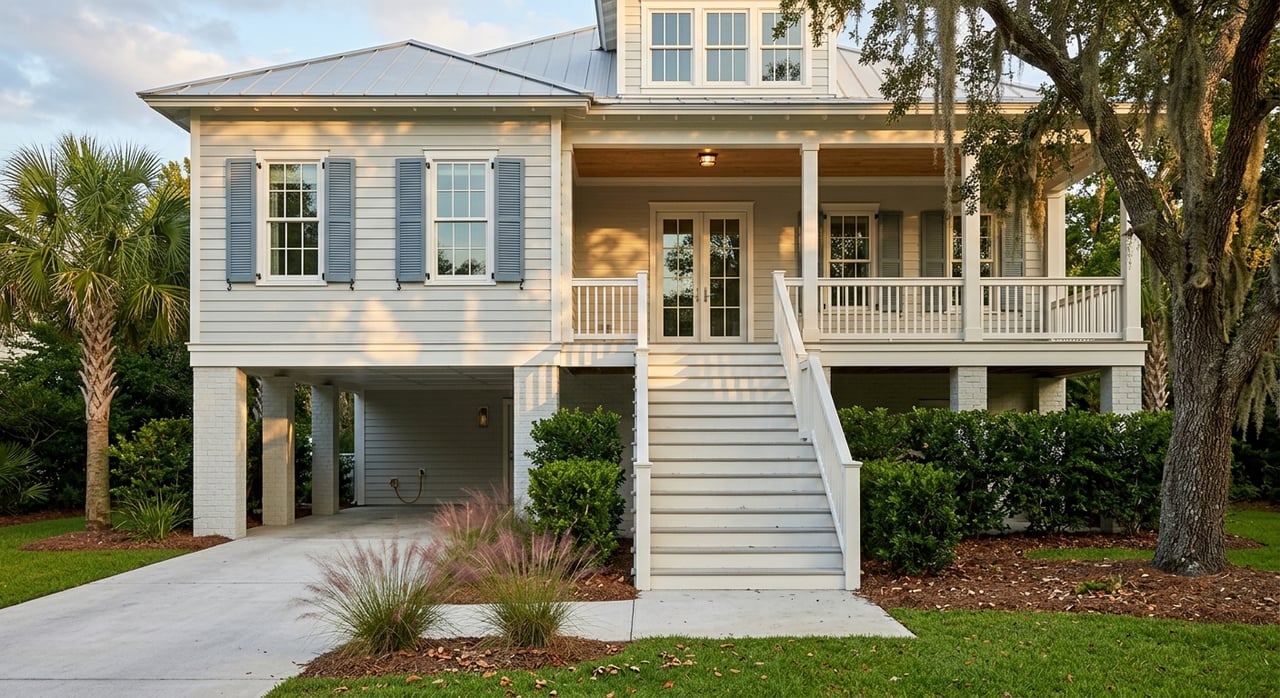
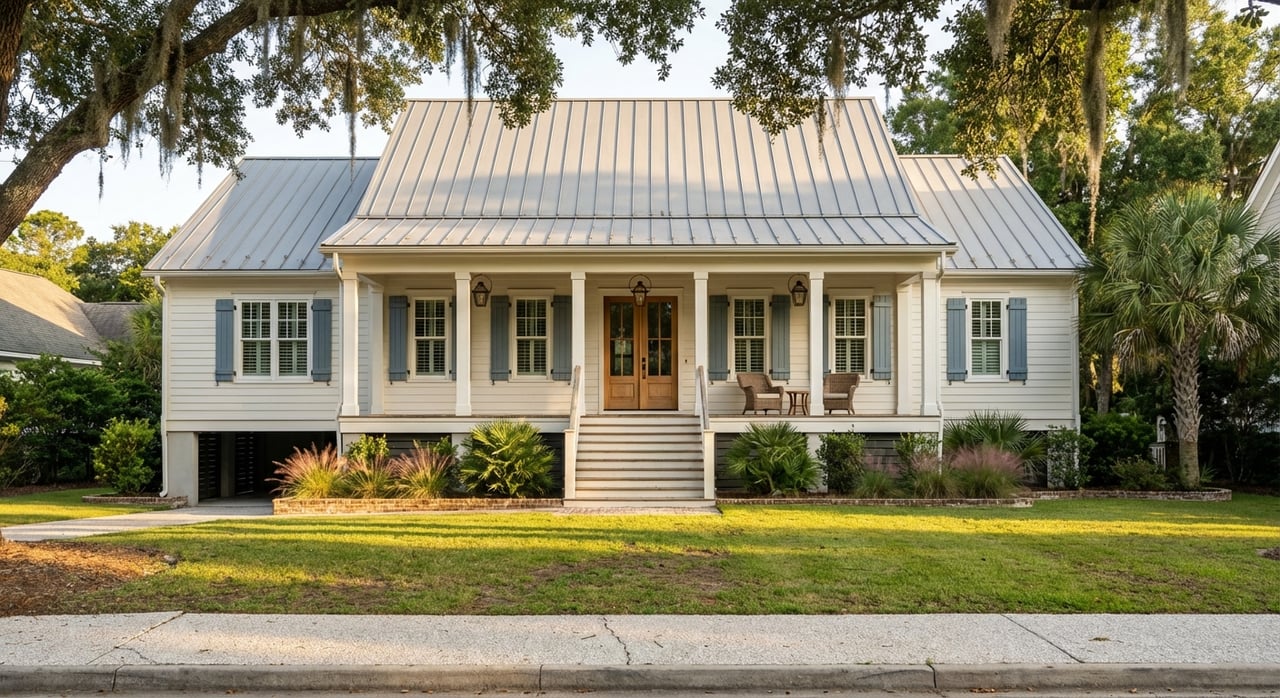
Living near downtown Summerville and the tree-lined streets around Azalea Park puts cafés, local shops, and civic events close by. You can often walk to parks and festivals like the well-known Flowertown events, which keeps quick outings simple. Homes range from classic cottages to mid-century styles, and some will need more ongoing maintenance than newer builds. Yards can be smaller, but neighborhood identity and walkability are strong.
- Local life: Explore parks and event calendars via the town’s resources for Azalea Park and community events.
Master-planned developments (Nexton, Cane Bay, Carnes Crossroads)
Master-planned communities gather daily needs in one place. In Nexton, for example, you will find on-site retail, dining, parks, trails, and community amenities designed to shorten weekday loops. Many buyers like the newer systems, lower immediate maintenance, and programming that keeps you active without long drives. Expect HOA and amenity fees, ongoing construction in some phases, and a design that prioritizes convenience.
- Community example: See how a master plan bundles trails, retail, and amenities at Nexton.
Townhome enclaves and infill pockets
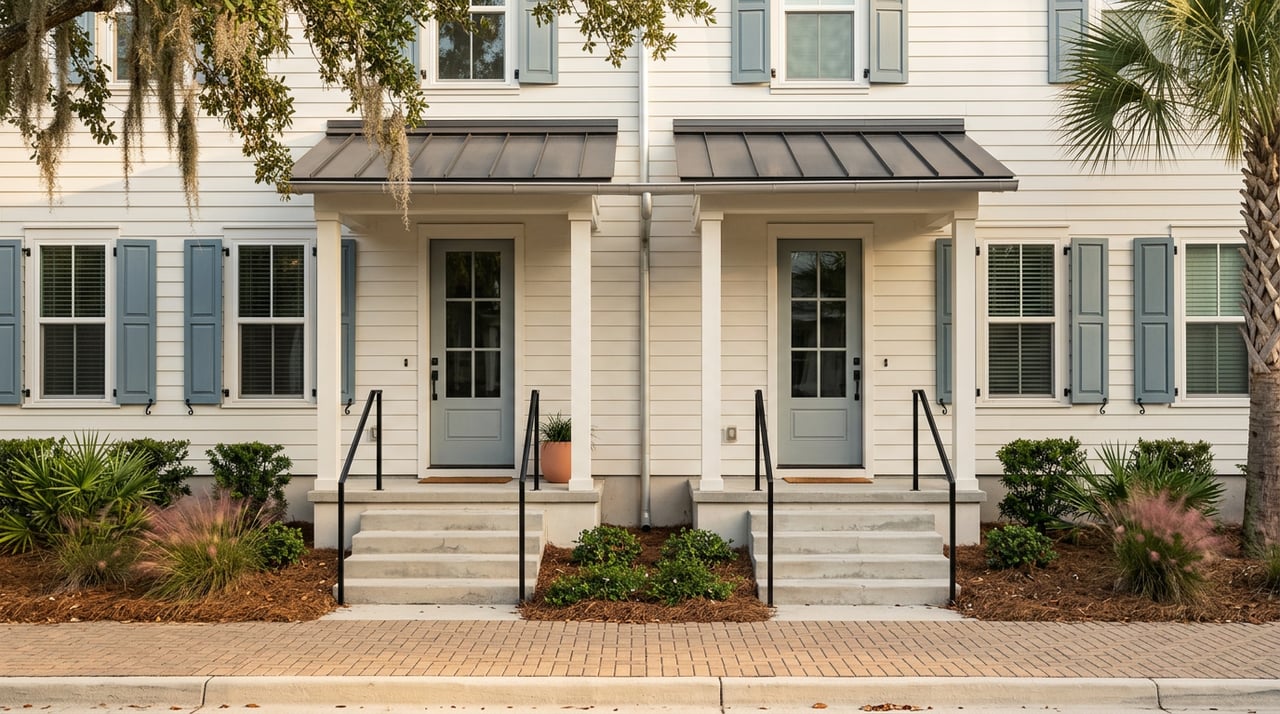
If you want a low-maintenance setup, townhome clusters inside or near larger developments can work well. The HOA typically handles exterior upkeep, so you spend less time on chores and more time out on the trails or at nearby shops. You trade larger private yards for convenience, and you will want to check parking, storage, and HOA rules if flexibility matters to you.
Commute, errands, and schedule
Your weekday rhythm changes by pocket. Near downtown Summerville, you may walk to coffee, parks, and events, which keeps short trips easy. In master-planned communities, you can pair school drop-off with a grocery stop or a gym class without leaving the neighborhood center. If you work in North Charleston, living closer to I-26 access points can trim your commute compared with addresses deeper in northwest Summerville.
Two simple steps help you gauge fit:
- Drive your commute at your actual start and end times for a week. Note any slowdowns around I-26 and US-78 and how long your worst day takes.
- Map your top three weekly errands and see if your routine stays inside the neighborhood or adds multiple 10- to 15-minute hops.
Schools and childcare planning
School zone lines matter and can change as new facilities open. Many Summerville addresses feed Dorchester School District Two, while some master-planned pockets in the corridor connect to nearby districts. Before you fall in love with a specific street, look up the exact address and confirm feeder patterns. You will also want to ask about any planned redistricting.
- Use the district’s tool to find your school by address.
Health care and recreation access
Summerville’s medical network is growing, with new outpatient and ambulatory centers adding capacity for residents. If quick access to specialists or urgent care is a priority, map your nearest facilities from each home you tour. For recreation, the tradeoffs are clear: downtown areas put you within a short walk of parks and town events, while master plans offer trails, pools, and clubhouses that keep leisure time close to home.
- See a recent example of outpatient expansion serving the Summerville area in this development report.
Remote work and broadband
If you work from home or rely on video calls, verify fiber or high-speed options at the exact address. Coverage varies by block, and upload speeds can make or break your day. Ask the builder or HOA for written confirmation if you need gigabit service, and cross-check with address-level tools.
- Check provider options and coverage by address at FindBetterInternet.
Future roads and transit
Road projects and planned bus rapid transit can shift commute options in the coming years. If you are deciding between two neighborhoods, ask about known improvements and timelines. Staying near a future rapid-transit corridor or new interchange could change your routine later on.
- Track regional planning updates on Lowcountry Rapid Transit.
A practical buyer checklist
Use this quick list during tours and due diligence to see how well a community fits your day-to-day:
- Commute test at real times. Drive your route during AM/PM peaks for a week. Ask neighbors about typical delays on I-26 and US-78.
- Verify school zones. Confirm the specific address using the district’s Find My School tool and ask about pending changes.
- Review HOA/POA details. Request covenants, fees, what is included, and any special assessments. Compare amenity value to your actual use.
- Confirm broadband. Use FindBetterInternet or provider tools and get written confirmation for fiber if you need it.
- Check flood and elevation risk. Use FEMA resources and ask for elevation certificates if near a Special Flood Hazard Area. Lender requirements and insurance costs vary by zone. Start with this FEMA mapping reference.
- Map health care. Time your drive to the nearest hospital, urgent care, and any specialists you visit often.
- Ask about future roads and transit. Review local plans and Lowcountry Rapid Transit updates that could change travel times.
- Evaluate builder or home history. For new construction, check builder warranties and reputation. For older homes, budget for items like HVAC, roofing, and foundation.
Quick scenarios to guide your choice
- I work downtown and need under 45 minutes most days: Prioritize addresses with fast I-26 access and test the commute during peak hours for a full week.
- I work in North Charleston: Look at master-planned options near I-26 that balance commute time with on-site amenities.
- I want walkability and local events: The downtown and Flowertown area offers the shortest stroll to parks, cafés, and festivals.
- I want new construction and neighborhood amenities: Master-planned communities such as Nexton often deliver trails, pools, and retail close to home.
- I want low-maintenance living: Townhome enclaves minimize exterior upkeep and often sit near shops and trails. Check parking, storage, and HOA rules.
Your next step
Choosing the right Summerville community starts with your routine. If you want a clear, side-by-side look at how different pockets fit your work, school, and weekend life, let’s talk. Reach out to Sarah Ellen Lacke for a neighborhood consult tailored to your daily rhythm and your goals.
FAQs
How far is Summerville from downtown Charleston during rush hour?
- It is about 24 miles by road, and peak travel can stretch beyond 30 to 45 minutes depending on I-26 and US-78 traffic. Test your exact route at your real commute times.
What price range should I expect in Summerville?
- Recent market summaries show typical values in the mid $300,000s to $400,000s, which often buys more space than closer-in Charleston, with a tradeoff in commute time.
Which areas are most walkable to parks and events?
- Neighborhoods around downtown Summerville and Azalea Park offer the shortest walks to cafés, the farmers market, and seasonal festivals.
Do master-planned communities reduce daily driving?
- Yes, many bundle grocery, dining, fitness, schools, and trails, which can keep your weekday loop inside the neighborhood and cut short off-site trips.
How do I check my school zone before I make an offer?
- Use the district’s address lookup to confirm attendance zones and ask for any pending redistricting or planned school openings.
What should I know about flood risk when buying?
- Ask whether the property sits in a Special Flood Hazard Area, review any elevation certificates, and discuss insurance implications with your lender and insurer.