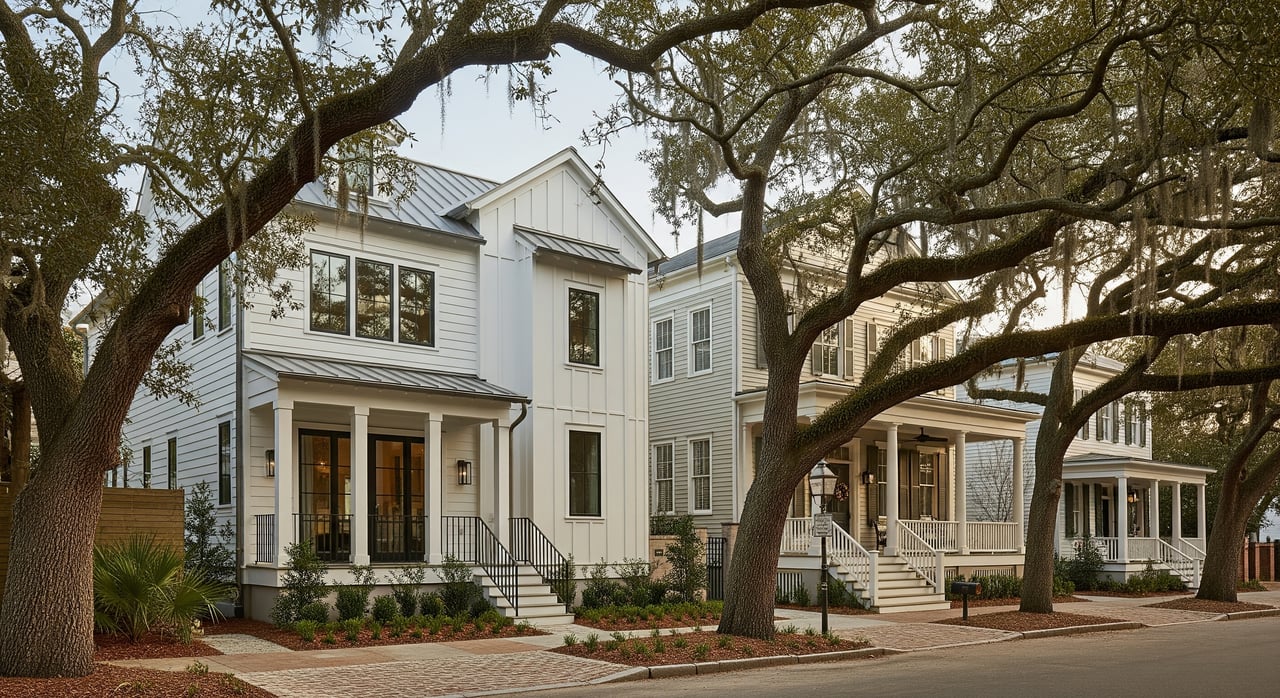
Trying to choose between a brand-new build and a classic Park Circle bungalow? You’re not alone. Many buyers love the walkable vibe here and must weigh historic character against modern systems and lower maintenance. In this guide, you’ll compare the real trade-offs, learn what to verify in Park Circle specifically, and get checklists to use on your next tour. Let’s dive in.
Park Circle snapshot
Park Circle in North Charleston blends early-to-mid 20th century homes with new infill projects and small-lot subdivisions. You’ll find bungalows, cottages, two-story homes, and modern “new urban” product near a lively dining and retail corridor. Buyers often prioritize walkability, reasonable commutes, and usable outdoor space. Flooding, lot shape, and the balance between charm and convenience are common decision points.
New vs resale at a glance
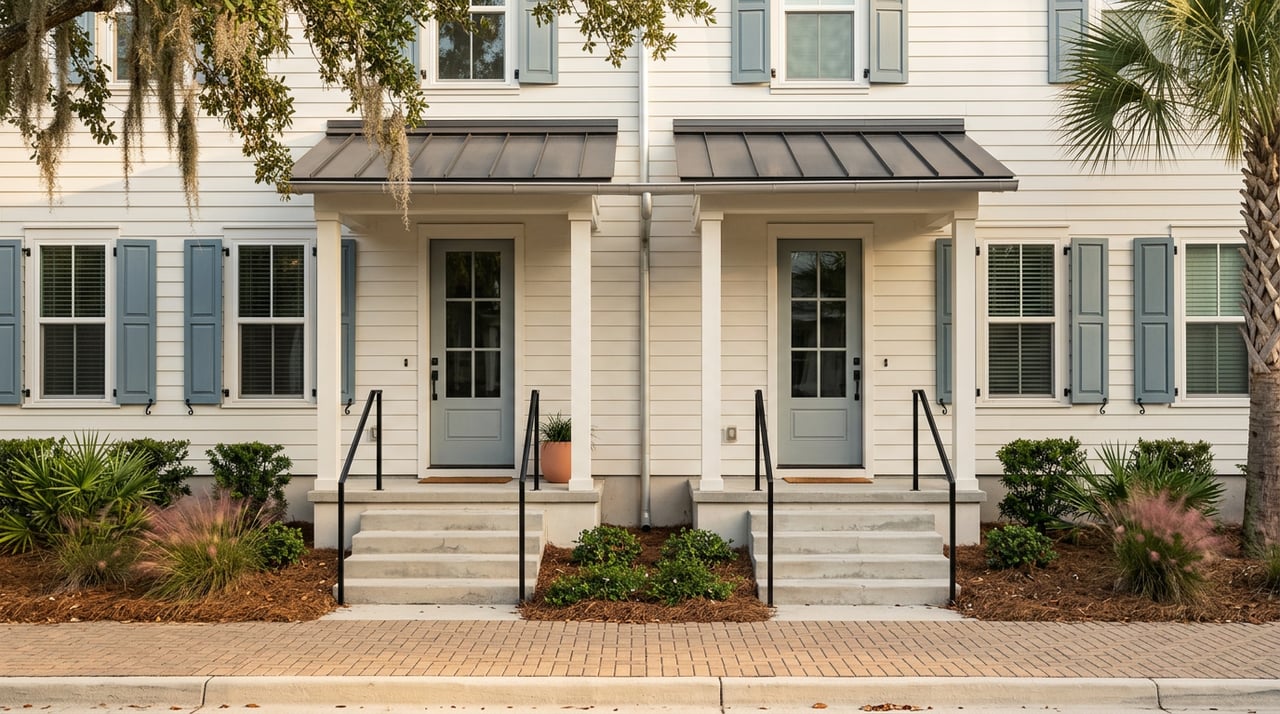
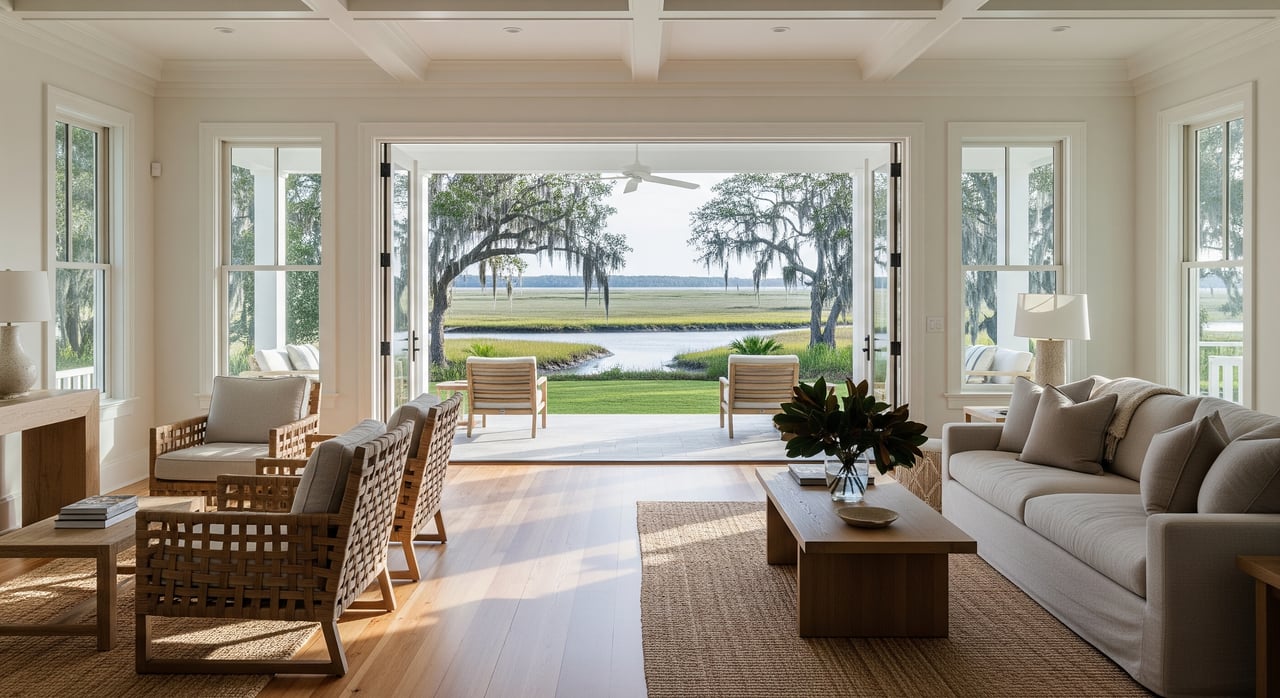
- New construction: modern layouts, current-code construction, newer mechanicals, and lower near-term maintenance. Trade-offs can include smaller yards, closer setbacks, and lighter tree canopy.
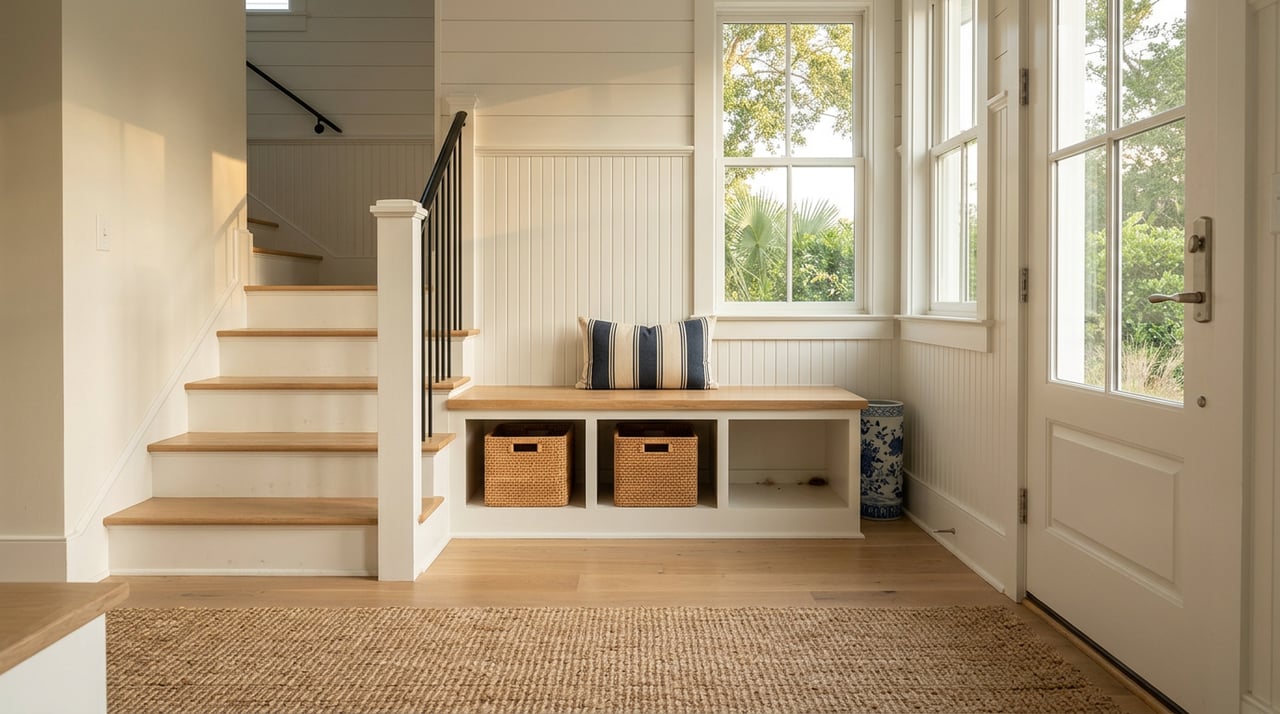
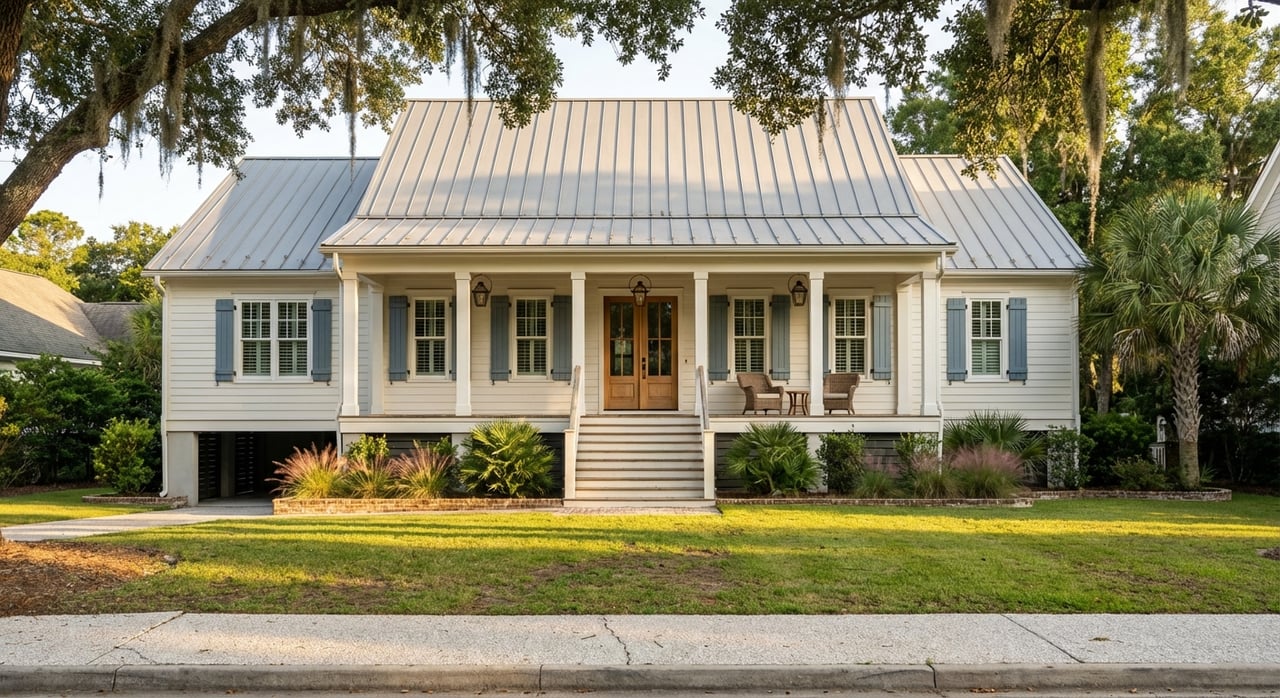
- Resale homes: historic details, mature landscaping, and often more character. You may face older systems, irregular lots, and higher near-term repairs or upgrades.
Price and value
New construction often carries a price premium per square foot for modern finishes and newer systems. That premium can be worth it if you want lower immediate maintenance and energy usage. Resale homes may have a lower purchase price, but plan for updates, inspections, and possible repairs. Compare similar lot sizes and bed-bath counts across the last 6 to 12 months to judge value clearly.
Warranties and protections
Most builders follow a common structure: about 1 year for workmanship and finishes, 2 years for major systems like HVAC, plumbing, and electrical, and longer-term structural coverage that often runs up to 10 years. Ask for the full warranty document, including exclusions, response times, who services claims, and whether a third-party warranty backs it. With resale, there is no builder warranty by default. Budget for inspections, negotiate repairs or credits, and consider a short-term home warranty at closing if it fits your risk tolerance.
Energy efficiency and operating costs
New homes typically meet current energy codes with better insulation, efficient HVAC, modern windows, and sometimes documented energy ratings. These features can reduce monthly costs, though actual savings vary by home size and how you use it. For new builds, request insulation R-values, HVAC SEER ratings, window U-factors, and whether a HERS score was completed. For resales, ask for recent utility bills and consider a home energy audit to target the biggest wins.
Lot size, site conditions, and outdoor space
Park Circle lots can be small or irregular, especially with infill. Some new subdivisions may offer more consistent grading, while older homes often benefit from mature trees and landscaping. Verify the lot size, setbacks, and any easements using Charleston County records. Confirm the FEMA flood zone for the specific parcel, understand base flood elevation, and evaluate drainage and stormwater patterns before you commit.
Maintenance, repair risk, and latent defects
New construction generally means fewer immediate repairs, though punch-list items and minor settlement can occur. Document everything at your final walkthrough and lean on the warranty for timely fixes. With resale homes, plan for near-term items like roof life, HVAC age, plumbing or electrical updates, and potential sewer line concerns. Recommended due diligence includes general home, roof, pest and termite, HVAC, plumbing, electrical, and sewer scope inspections. For older homes, be aware of potential lead-based paint in houses built before 1978 and confirm permit history for prior renovations.
Timeline and closing certainty
If you are buying a to-be-built or under-construction home, expect a longer lead time and potential delays due to weather, materials, or permitting. Ask the builder for a realistic schedule, change-order policy, and whether any penalties or remedies are defined if closing dates slip. Resale homes typically close faster once inspections and financing are cleared. If you are moving up, plan for bridging solutions if your purchase and sale timelines do not align.
Customization and design control
New construction often allows you to select finishes, fixtures, and sometimes minor layout options if you buy early enough in the build. If you are purchasing a completed spec, choices are more limited but move-in can be faster. With resale, you gain design control after closing. Build time and cost for renovations into your plan, and ask your agent for contractor referrals and local permit guidance.
Local rules, insurance, and financing
Parts of Park Circle may follow specific zoning rules or overlay districts that affect additions or exterior changes. Verify with City of North Charleston planning and zoning before you renovate. Flood risk varies by parcel in the Charleston metro, so confirm the FEMA flood zone, consider elevation data, and speak with your insurance provider about coverage and cost. For property taxes, note that new construction and major improvements can change assessed value. Financing options can differ with new builds, including construction-to-permanent loans or financing for completed spec homes. Move-up buyers often explore contingencies or short-term financing to bridge timelines.
Who each option fits
- Leaning resale: You value lot size, mature trees, and character, and you can handle more near-term maintenance.
- Leaning new build: You want modern systems, energy efficiency, and a fresh floor plan with fewer immediate repairs.
- Compromise approach: You are open to a well-updated resale that reduces short-term projects or a new infill home that still meets your yard and location needs.
Pre-tour checklist
- Review recent comparable sales for similar size, bed-bath count, and lot type in the last 6 to 12 months.
- Verify school assignment if relevant.
- Check FEMA flood zone status and ask about local drainage history for the specific parcel.
- For resale: request recent utility bills and maintenance records.
- For new: request the plat or site plan, warranty summary, certificate of occupancy timeline, HOA documents if any, and the builder’s local references and recent projects.
On-site inspection checklist
- Exterior: roof age or condition, grading that directs water away from the foundation, visible cracks or settling, tree proximity to structures, driveway and sidewalk condition, and fence condition.
- Interior: look for signs of water intrusion, check HVAC age and maintenance history, evaluate electrical panel capacity and wiring, confirm plumbing materials, check attic insulation, and test window operation.
- Systems: run the HVAC, test hot water, evaluate water pressure and drainage, and note any odors or signs of moisture.
- Yard and setting: sun orientation, privacy, setbacks, nearby noise sources, and how much of the lot is truly usable.
Questions to ask a builder
- What is the exact warranty coverage and who handles service calls?
- Are energy specs documented, including any HERS score?
- Who is responsible for final grading, sidewalks, and driveway finishes?
- What are standard features versus common upgrades, and what are the costs and lead times?
- What is the construction timeline, and what happens if deadlines are missed?
- Can you share references and past projects in Park Circle?
Questions to ask a seller
- What known defects or past repairs should I know about, including roof, drainage, or foundation?
- Why are you selling, and how long have you owned the home?
- What recent upgrades were completed, and can you provide contractor invoices or permits?
- Has the property experienced flooding or insurance claims?
How to move forward with confidence
The best choice comes down to the feel of the lot and street, your appetite for projects, and the level of efficiency and warranty coverage you want. In Park Circle, both new construction and well-loved resales can hold strong value when the location, lot, and presentation align with local demand. If you are weighing trade-offs like walkability, flood zones, timeline, or budget, a guided plan and thorough due diligence will help you avoid surprises.
If you want a clear path from tours to closing, we can help you compare real costs, line up inspections, and navigate Park Circle’s unique mix of historic and new. Reach out to Sarah Ellen Lacke to start your plan.
FAQs
Will a new Park Circle home save me money on utilities?
- Often yes, since new homes are built to current energy codes, but actual savings depend on size and usage. Request builder energy specs and any HERS rating for a clearer picture.
Are builder warranties reliable in Park Circle?
- Many builders offer standard coverage. Always get the warranty in writing, confirm who services claims, ask about response times, and review local references and past projects.
How much should I budget for resale maintenance?
- It varies by age and condition. Plan for thorough inspections and gather contractor estimates for any big-ticket items like roof, HVAC, or plumbing.
Does new construction always resell for more later?
- Not always. In walkable, established areas like Park Circle, lot quality, location, and finishes drive value. A well-kept older home can compete strongly.
How long does new construction take compared with resale?
- New builds can take weeks to many months depending on stage and supply conditions. Resale timelines are usually faster once inspections and financing are cleared.
What should I verify about flood risk in Park Circle?
- Confirm the parcel’s FEMA flood zone, ask about local drainage history, and get insurance quotes early. Consider elevation data and any city stormwater improvements.